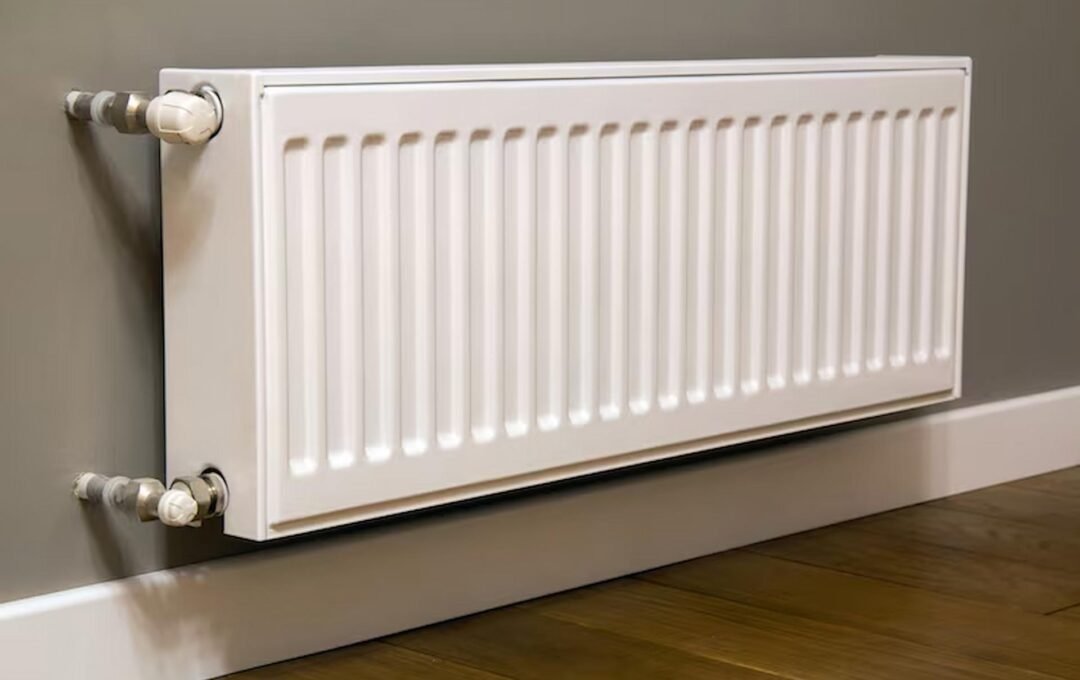
Choosing between two, three, and four column radiators is not simply about selecting the deepest model. Heat output, available wall space, room size, insulation, and system temperature all matter. Understanding how each option performs helps you choose a radiator that delivers comfortable warmth without appearing oversized or wasting valuable space.
Column radiators combine traditional character with modern heating performance, but the number of columns has a direct effect on output and depth. A 3 column radiator sits between slimmer two-column designs and deeper four-column models, making it a practical choice for many rooms. However, more columns do not automatically mean the best result for every property. The correct option depends on the room’s heat requirement, radiator dimensions, available wall space, insulation, and heating system temperature. Comparing these factors carefully helps you achieve reliable warmth, efficient operation, and a radiator that fits comfortably within the intended layout and interior design scheme.
How Column Depth Influences Heat Output
Radiator columns increase surface area and heat output, so four-column models typically produce more heat than three-column versions, which outperform two-column designs. They warm rooms through radiant heat and convection, with deeper models offering more internal surfaces but extending further from the wall.
How Two Column Radiators Perform
A two-column radiator has the shallowest profile of the three options. It suits rooms where floor space is limited, furniture sits nearby, or a walkway must remain clear. It can also work well in smaller or well-insulated rooms when the selected height and length provide the required heat output.
Because it has less heated surface area, a two-column model may need to be wider or taller to match a deeper alternative. This is not a weakness when wall width is available. Correct sizing matters more than choosing the largest number of columns.
Why Three Columns Offer a Practical Balance
Three-column radiators sit between slim dimensions and high-output depth. They provide more surface area than two-column models while projecting less than four-column alternatives. This makes them useful in rooms that need stronger performance without a particularly deep radiator.
They also suit a wide range of layouts. Horizontal versions can fit beneath windows, while vertical options can use narrow sections of wall. However, buyers should compare the stated watt or BTU rating rather than assuming every triple-column model performs alike. Height, width, construction, and water temperature all affect output.
When Four Column Radiators Are Worth Considering
A four-column radiator is useful when higher output is needed from a limited section of wall. Its additional column increases surface area and generally raises performance compared with a similarly sized two- or three-column model. It may suit larger rooms or areas with higher heat loss where fitting a wider radiator is difficult.
The trade-off is increased depth. A four-column model may feel too substantial in narrow halls, compact bedrooms, or busy areas. Higher output is only valuable when the room requires it. An oversized radiator can complicate temperature control and add unnecessary cost.
Why Radiator Size Matters as Much as Column Count
Column count is only one part of performance. A wide two-column radiator can produce more heat than a narrow three-column model, while a tall three-column unit may exceed a shorter four-column design. Fair comparisons should therefore use products with matching or closely similar dimensions.
Always check the stated output in watts or BTUs. Compare height, length, depth, number of sections, and heat rating together. This prevents the common mistake of choosing a radiator because it appears larger without confirming that it can meet the room’s heating requirement.
Match the Radiator to the Room’s Heat Loss
A room loses heat through walls, windows, floors, ceilings, ventilation, and draughts. Its dimensions matter, but insulation, glazing, external walls, and ceiling height can change the amount of warmth required. A large, insulated room may need less output than a smaller room with significant heat loss.
When deciding whether a 3 column radiator is better than a two- or four-column model, begin with a room heat-loss calculation. Once you know the target output, compare suitable sizes across each configuration. This turns the choice into an informed decision rather than a guess based on appearance.
Consider Heating System Temperature
Published radiator outputs are measured under stated test conditions. A home operating at a lower flow temperature may receive less heat from the same radiator than the standard figure suggests. This is especially important for systems designed to run at reduced temperatures.
A lower-temperature system may require a larger radiator, additional columns, or greater overall surface area. Check that the output has been adjusted for the intended operating conditions. When the correct figure is unclear, ask a qualified heating professional to confirm the required size before purchasing.
Check Wall Space, Projection, and Airflow
Measure more than the available wall width. Check the distance between the radiator and doors, furniture, curtains, walkways, and other fittings. A unit may fit on the wall but still feel intrusive if its depth has not been considered.
A two-column design is easiest to place in a tight area. Three columns offer increased output with moderate depth, while four columns suit spaces where performance matters more than a slim profile. Keep the surrounding area open because heavy furniture, long curtains, and covers can restrict airflow and reduce heat distribution.
Choose Output Before Appearance
Start with the required heat output, then choose a radiator that meets it at the correct temperature. Compare size, output, and fit, and check pipe positions before buying. Two columns suit smaller needs, three offer balance, and four provide higher output where space is limited.
Conclusion
Choosing between two, three, and four column radiators involves more than comparing depth or appearance. Two-column models suit rooms with lower heating needs, while four-column designs provide higher output where heat loss is greater or wall space is limited. The middle option often offers a balanced solution, but each room should be assessed individually. Calculate heat loss, compare output ratings, and measure available space carefully. A properly sized radiator will heat the room efficiently without appearing bulky. For many homes, a 3 column radiator provides a practical mix of reliable heat output and manageable depth.