Broken glass can turn an ordinary property problem into an immediate safety and security concern. A damaged window or glazed door may leave sharp edges and exposed openings. In many cases, the first priority is not a permanent replacement but making the area safe and secure.
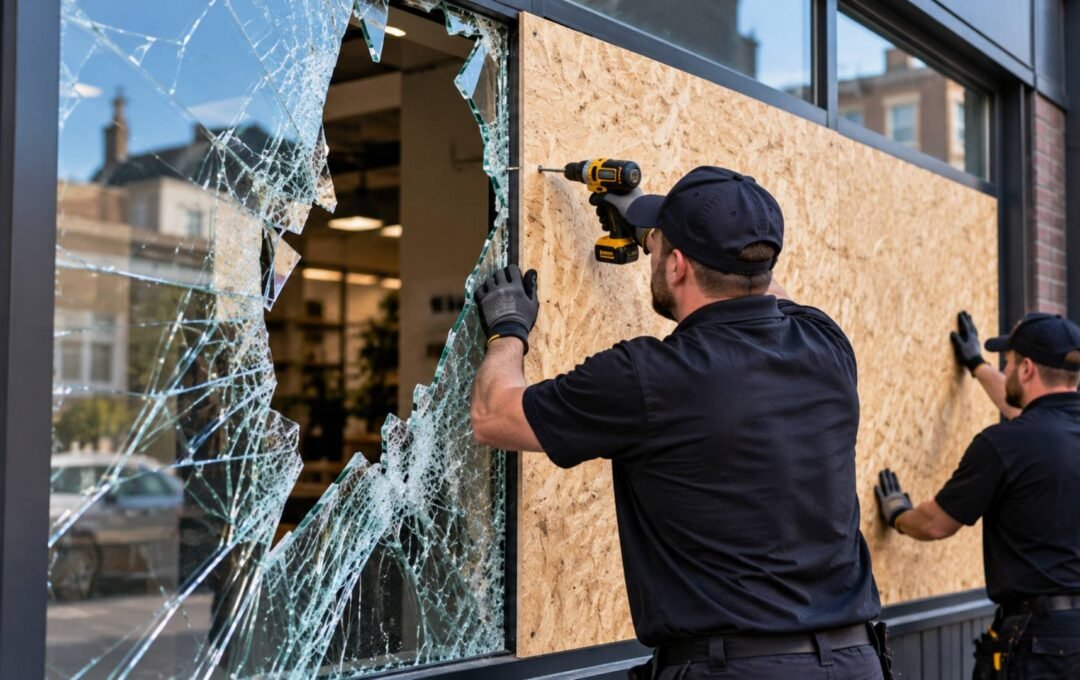
This is where emergency boarding up services can be appropriate. Boarding up provides temporary protection while the damaged glazing is assessed, measured and prepared for repair or replacement. It is especially useful when the correct glass cannot be fitted immediately or when the opening needs to be secured quickly.
Why Boarding Up May Come Before Glass Replacement
Not every broken pane can be replaced straight away. Some windows use glass that must be cut or made as part of a sealed double-glazed unit. Door panels and shopfront glazing may also need accurate measurements before replacement glass can be prepared.
Leaving the opening uncovered may create avoidable risks. Boarding up creates a temporary barrier so the property can remain protected until permanent glazing work takes place. Its purpose is to make the area safer until the correct materials are ready.
When Boarding Up Is Often the Sensible First Step
Boarding up is most useful when damaged glass has left an opening that cannot be safely secured another way. This may happen after accidental impact, vandalism, attempted entry, severe weather or damage to a door or window frame.
It may also be necessary when only part of a double-glazed unit is broken. Even if one pane remains in place, the unit may no longer provide the protection expected from an intact window.
Commercial properties can face similar problems. A damaged shopfront, entrance door or ground-floor window may need temporary protection before the premises can be left unattended.
What to Do Immediately After Glass Is Damaged
Safety should come first. Avoid touching cracked or shattered glass if doing so could put you at risk. Keep children and pets away from the area, and remember that small fragments can spread beyond the immediate opening.
If it is safe to do so:
- Keep people away from the damaged opening.
- Avoid forcing a cracked window or door open or closed.
- Do not remove large pieces of glass still held in the frame.
- Move valuable or weather-sensitive items away from the opening.
- Contact a professional glazier if the area cannot be secured safely.
- Explain whether the damage affects a window, door, shopfront, double-glazed unit or frame.
These details can help the glazier understand what may be required before attending.
Why Temporary Protection Matters
A broken window is not only a glazing problem. It may also affect security, comfort and the condition of the surrounding room. Rain can enter through an exposed opening, while wind may move loose fragments or place more pressure on damaged glass.
In this situation, emergency boarding up services can provide a practical temporary measure when replacement glass is not immediately available. Boarding can help secure the opening while replacement specifications, insurance matters or further repairs are dealt with.
However, damaged frames, locks and hinges may still need inspection. Covering the opening does not correct every problem caused by the incident.
When Boarding Up May Not Be Necessary
Boarding is not automatically required after every glass problem. A small crack in an otherwise stable pane, condensation inside a failed double-glazed unit or a window that is difficult to open may need professional attention without leaving the property exposed.
Some glazing may also be replaced during the first visit if the correct material is available and conditions allow it. The right response depends on the size and position of the damaged pane, the type of glazing, the frame condition and whether the opening can be made secure.
A glazier can assess whether temporary boarding is genuinely needed or whether a direct repair is possible.
Boarding Up and Double-Glazed Windows
Double glazing uses two panes within a sealed unit. If the unit is badly cracked or shattered, it may need to be measured and replaced as a complete unit rather than treated like a simple single pane.
Temporary boarding may therefore be needed while the new unit is prepared to the correct dimensions. The frame should also be checked because an impact strong enough to break the glass may affect handles, hinges, locking parts or the way the window closes.
Replacing the glass alone may not solve the full problem if other components have been damaged.
What Happens After the Property Is Secured
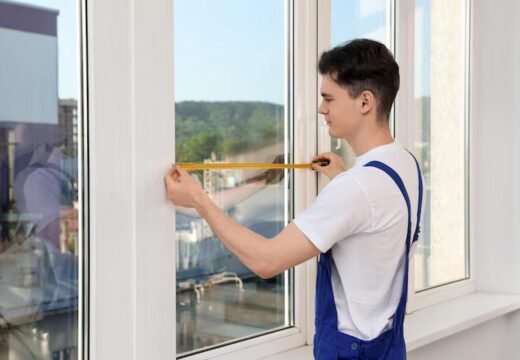
Once the immediate risk is controlled, attention can move to the permanent repair. The glazier may measure the opening, identify the glass type and check whether the frame and fittings remain usable.
For double-glazed units, a replacement may need to be made to the correct dimensions before installation. Other glazing may require suitable safety glass depending on where it is fitted.
It is also sensible to keep photographs and basic records if an insurer, landlord or property manager may need them. If the damage followed a break-in or attempted break-in, consider whether the incident should be reported before the area is disturbed more than necessary.
Conclusion
Boarding up is the right first step when broken glazing leaves a property unsafe, exposed or difficult to secure and a permanent replacement cannot be completed immediately. It provides temporary protection while the correct glass, unit or other repair work is arranged, but it should remain an interim measure rather than the finished solution.
If the opening is large, the remaining glass is unstable or the damage affects security, emergency boarding up services can help make the area safer until proper repairs are completed. Avoid handling dangerous fragments yourself, keep people away from the damaged area and arrange a professional assessment so the final repair addresses both the glass and any affected frame or fittings.