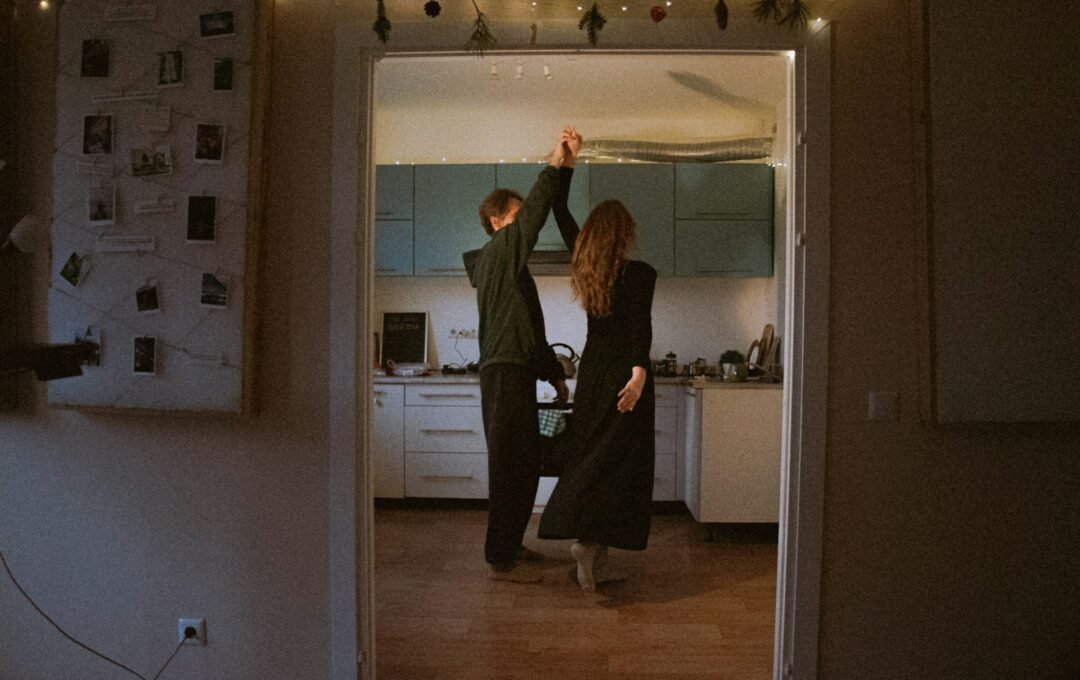
We live in a world that moves at full speed. Messages arrive instantly, feeds refresh endlessly, and even love can start to feel like something people swipe through instead of something they build. Because of that, many of us are quietly tired of quick chemistry, surface-level attention, and the pressure to always keep up. We are not just looking for attraction anymore. We are looking for presence.
Slow intimacy is becoming more appealing because it gives people something modern life often takes away: room to breathe. It asks for time, attention, and honesty. More importantly, it creates space for real connection instead of performance. In a culture that rewards speed, choosing depth feels almost rebellious. Yet that is exactly why it matters so much right now.
Why Fast Connection Often Feels Empty
Fast culture trains us to expect quick results in nearly everything. We want fast replies, fast attraction, fast commitment, and fast reassurance. However, human connection does not grow well under pressure. It needs patience, curiosity, and enough quiet to reveal what is underneath the first impression. When we skip that process, we may get excited, but we often lose substance.
This is why so many people feel emotionally full but deeply unsatisfied. They may be surrounded by attention, yet still feel unseen. They may have plenty of contact, yet very little closeness. In contrast, slow intimacy allows two people to actually notice each other. It makes room for awkward pauses, honest questions, and the kind of trust that does not appear overnight. That is the real shift happening beneath the surface, and it is part of what makes slow intimacy secrets such a compelling idea for people who want more than surface chemistry.
What Slow Intimacy Really Looks Like
Slow intimacy is not about being passive or old-fashioned. Instead, it is about being intentional. It begins when people decide to pay attention without rushing to the next thing. That can look like longer conversations, more thoughtful touch, fewer assumptions, and a willingness to stay present even when things are not instant or easy.
It also shows up in the small moments. For example, it might be someone remembering how you take your tea or asking how your day really felt instead of just how it went. It might be choosing a quiet dinner over a packed schedule or leaving room for silence without trying to fill it. These details may seem simple, but they carry emotional weight. Over time, they create trust, and trust is the foundation of depth.
At its best, slow intimacy helps people feel safe enough to be fully themselves. That matters because real closeness cannot grow where people are always editing themselves. When the pressure drops, honesty rises. And when honesty rises, connection becomes more than a moment. It becomes a shared experience that people can return to again and again.

Why We Are Craving Depth Again
Something has shifted. After years of constant stimulation, many people are craving experiences that feel real, grounded, and human. They want conversations that linger. They want relationships that are not built on convenience alone. They want to feel something that lasts longer than a notification. In other words, they are craving depth because they are craving meaning.
This craving is not limited to romance. It shows up in how people talk about friendship, family, community, and even work. More and more, we see a longing for fewer distractions and more substance. People want to slow down enough to actually feel their lives instead of just managing them. That is why depth is no longer a niche preference. It is becoming a quiet cultural demand.
In many ways, this shift reflects a wider emotional reset. We have learned that being constantly available is not the same as being deeply connected. We have also learned that fast attention is not the same as real care. That is why so many readers, creators, and thoughtful communities are drawn to voices that explore connection with nuance, like Lifestyle Magazine, where intimacy is often discussed as part of a larger cultural conversation about how we live, love, and relate.
How to Make Space for Slower, Deeper Connection
Creating slow intimacy starts with small choices. First, it helps to remove the pressure to impress. When people stop trying to perform, they become easier to know. Then, it helps to ask better questions and listen for the real answer, not just the polished one. These simple habits change the texture of a relationship. They turn conversation into connection.
Next, it helps to protect time. Depth cannot grow in constant interruption. Whether it is a romantic relationship, a friendship, or a family bond, people need moments that are not rushed. A walk without phones, a meal without multitasking, or a conversation that is allowed to wander can do more for intimacy than grand gestures ever will. Slowing down is not wasteful. It is how emotional closeness takes root.
It also matters to accept that slow intimacy includes uncertainty. Not every moment will feel dramatic. Not every silence will be comfortable. However, real depth often grows in those quieter spaces. When we learn to stay instead of escape, we give connection time to become something solid. That patience is not weakness. It is emotional strength.
The Future Belongs to What Lasts
As life gets louder, people are learning to value what feels steady. They are realising that depth is not boring and slowness is not failure. In fact, both can be signs of care. When someone chooses to move with intention, they are saying that the connection matters enough to be nurtured properly. That message is powerful in a world obsessed with speed.
Slow intimacy reminds us that real closeness is built, not consumed. It grows through attention, repetition, and trust. It takes time, but that time gives it meaning. And perhaps that is why so many of us are returning to it now. We are not falling behind. We are coming home to something we have always needed.